



What you need to know Before your first African Safari - Beginners guide
Planning your first African safari? Discover the best destinations, realistic costs, when to book, and expert packing tips in Luxit Africa's beginner guide.
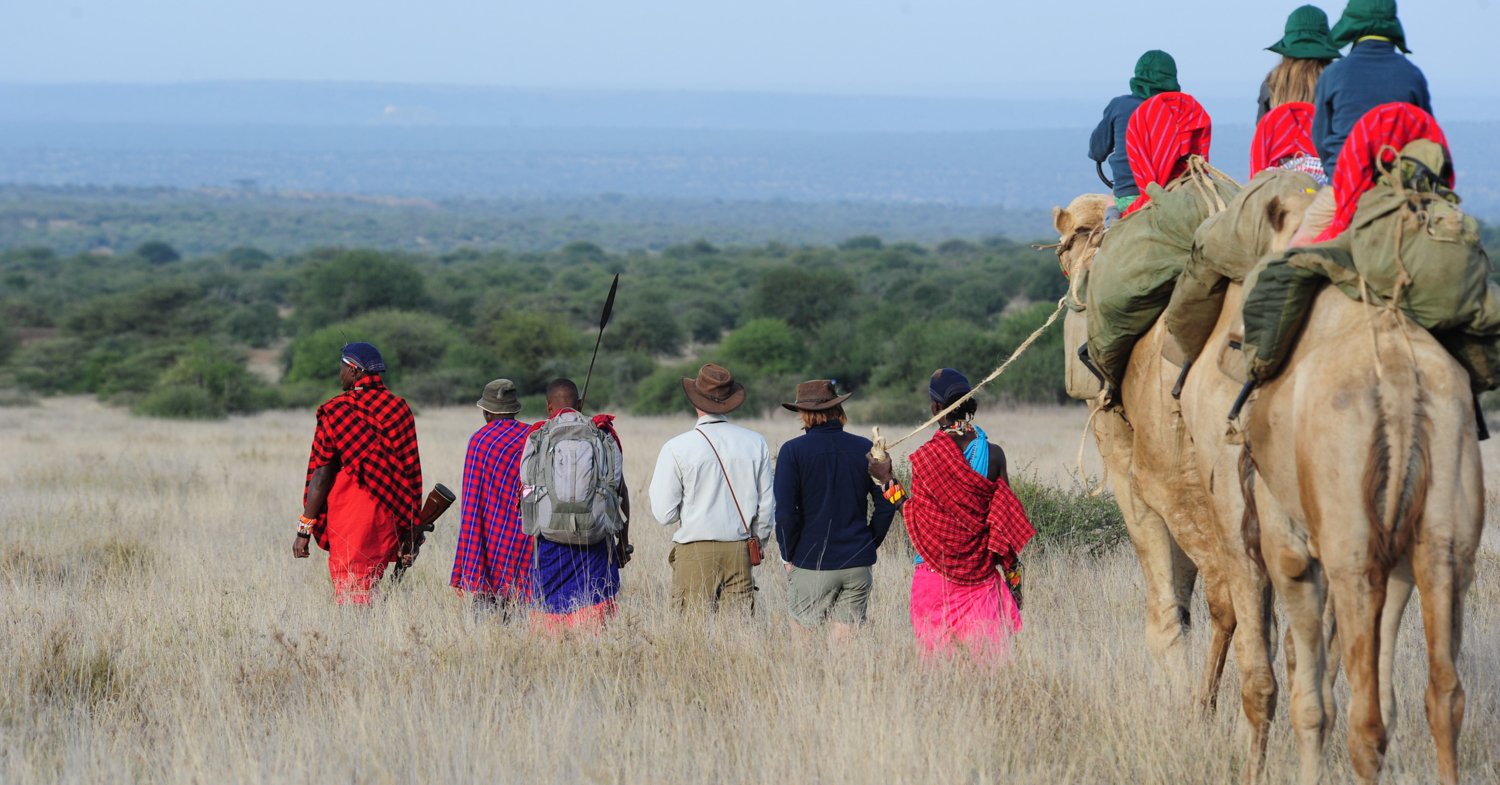
How to Plan Your First African Safari: A Step-by-Step Beginner’s Guide
Planning your first African safari can feel overwhelming. Between deciding on the right country, figuring out realistic costs, and timing your trip around wildlife movements, it is easy to get lost in the details before you even book a flight.
At Luxit Africa, we believe a great safari starts with clarity—not guesswork. Whether you are dreaming of watching the Great Migration across the savanna or tracking leopards in a private concession, this step-by-step guide walks you through everything a first-time traveler needs to know to plan a seamless, unforgettable journey.
________________________________________
Step 1: Choose Between East Africa and Southern Africa
One of the most common mistakes first-time safari travelers make is trying to see too much of the continent in one trip. Because distances are vast, it is best to choose one region for your first safari rather than combining both.
• East Africa (Kenya, Tanzania, Uganda, Rwanda): Best if you want classic wide-open savanna landscapes, the iconic Great Wildebeest Migration, and Big Five game drives in world-famous parks like the Maasai Mara and Serengeti. It is also the only place to go mountain gorilla trekking.
• Southern Africa (South Africa, Botswana, Namibia, Zambia, Zimbabwe): Ideal if you want diverse ecosystems—from the waterways of the Okavango Delta to desert dunes—alongside luxury private reserves, self-drive options, and malaria-free safari zones in South Africa.
Expert Tip: If you want an easy, well-connected introduction with great infrastructure and the option to pair wildlife with a coastal stay (like Cape Town or Zanzibar), start by narrowing down which of those two styles fits your travel personality.
________________________________________
Step 2: Decide the Best Time of Year to Go on Safari
Wildlife viewing in Africa changes dramatically depending on the season, so your travel window will shape both what you see and what you pay.
• Dry Season (Peak Season – roughly June to October): The best time for first-time safari goers. Animals gather around shrinking water sources, vegetation is thinner for easier spotting, and days are sunny and clear. Expect higher rates and busier parks.
• Green / Wet Season (roughly November to May): Lush landscapes, dramatic skies for photography, newborn wildlife, and significantly lower lodge rates. Animals are more spread out, making tracking slightly harder, though birdwatching is at its peak.
• Shoulder Season: The sweet spot between wet and dry months—offering comfortable weather, fewer crowds, and better value without sacrificing wildlife sightings.
________________________________________
Step 3: Understand How Much an African Safari Really Costs
Safari pricing is typically quoted per person, per day and varies widely based on accommodation style, season, and location.
• Mid-Range Safaris ($350 – $550 per person/day): Comfortable permanent tented camps or lodges inside or near major parks, including meals and shared game drives.
• Luxury Safaris ($600 – $1,200 per person/day): Boutique lodges or high-end tented suites in wildlife-rich private reserves, fine dining, drinks, and expert guiding.
• Ultra-Luxury / Bespoke Safaris ($1,500+ per person/day): Exclusive fly-in camps, private vehicles, secluded concessions, and top-tier hospitality.
Extra Costs to Factor Into Your Budget
• National Park & Conservation Fees: Often $60 to $200+ per person, per day (sometimes billed separately from accommodation).
• Internal Bush Flights & Transfers: Small light-aircraft hops between remote camps save hours of bumpy driving.
• International Flights, Visas & Travel Insurance: Always secure comprehensive medical and evacuation insurance.
• Tipping: Customary for safari guides, trackers, and camp staff (budget roughly $15–$30 per guest, per day total).
________________________________________
Step 4: Follow a Realistic Safari Booking Timeline
Unlike standard city breaks, top safari camps have very few rooms—often just 6 to 12 tents—and sell out quickly.
• 12 to 18 Months Ahead: Best for peak dry-season travel, family suites, gorilla trekking permits, and prime Great Migration camps.
• 6 to 9 Months Ahead: Ideal for shoulder-season trips or travelers who have flexibility on specific lodges.
• 3 to 6 Months Ahead: Still doable with expert local connections, though you may need to be flexible on dates and camp choices.
________________________________________
Step 5: Pick Your Safari Style and Pace Your Itinerary
How long should your first African safari be? Aim for 7 to 10 days on the ground, excluding international travel days.
• Stay 2 to 3 Nights Per Camp: Moving every single night leaves you exhausted. Spending three nights in each location gives you time to settle into the rhythm of the bush and actually relax between drives.
• Choose the Right Accommodation:
o Tented Camps put you closer to nature with canvas walls, en-suite bathrooms, and incredible night sounds.
o Safari Lodges offer solid timber or stone suites, viewing decks, pools, and extra amenities.
• Build in a Buffer Night: If your international flight lands in hubs like Nairobi, Arusha, or Johannesburg in the afternoon, plan an overnight stay before catching your morning bush flight.
________________________________________
Step 6: Prepare for Your First Day in the Bush
Knowing what to expect on the ground takes away any first-timer nerves:
• The Daily Rhythm: Days start before sunrise with coffee and a morning game drive when predators are most active. Midday is for brunch, rest, and pool time, followed by afternoon tea, a late-afternoon drive, and sunset "sundowners" in the bush.
• What to Pack for Safari: Stick to breathable layers in neutral, earthy colors (khaki, olive, tan, brown). Avoid bright colors and dark blue/black (which can attract tsetse flies), and pack a warm fleece or jacket for chilly early-morning drives. Bring binoculars, sunscreen, a sunhat, and soft-sided duffel bags if taking small bush planes.
• Health & Camp Safety: Visit a travel clinic 6–8 weeks before departure for vaccinations and malaria advice. Many bush camps are unfenced—always follow camp rules and wait for an escort when walking after dark.
________________________________________
Ready to Plan Your First Safari with Luxit Africa?
You do not have to piece together flights, park permits, and camp logistics on your own. At Luxit Africa, our local safari specialists design tailor-made itineraries built around your budget, travel dates, and wildlife wish list—so your first trip to Africa feels effortless from touchdown to takeoff.
Get in touch with our team today to start designing your custom first-time safari. connect@luxitafrica.com
Keep reading
View all articles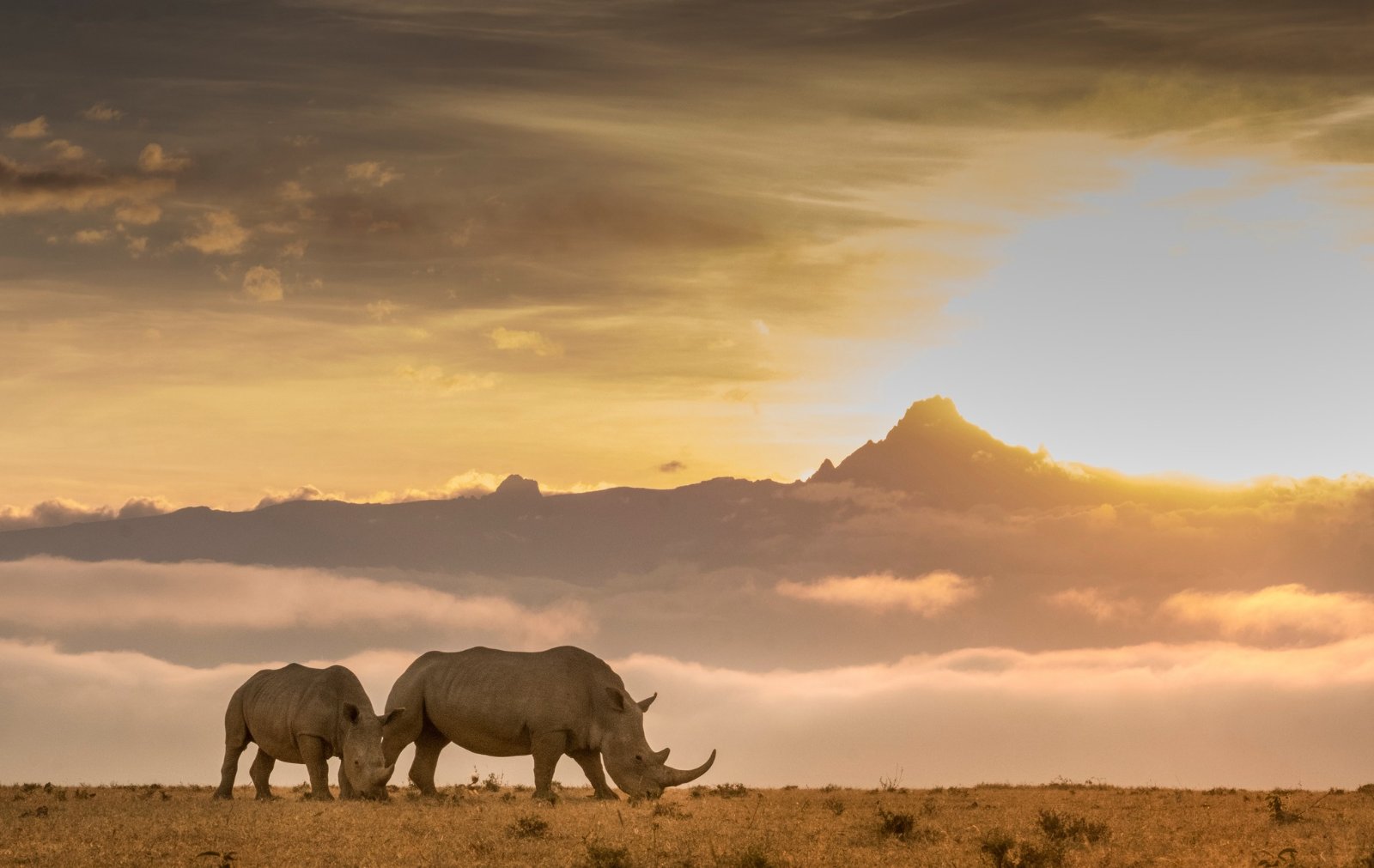
Best Multi country Africa Safari Combinations
Why visit one African country when your safari could take you across two or three? Discover how to combine gorillas, Big Five encounters, desert landscapes and…
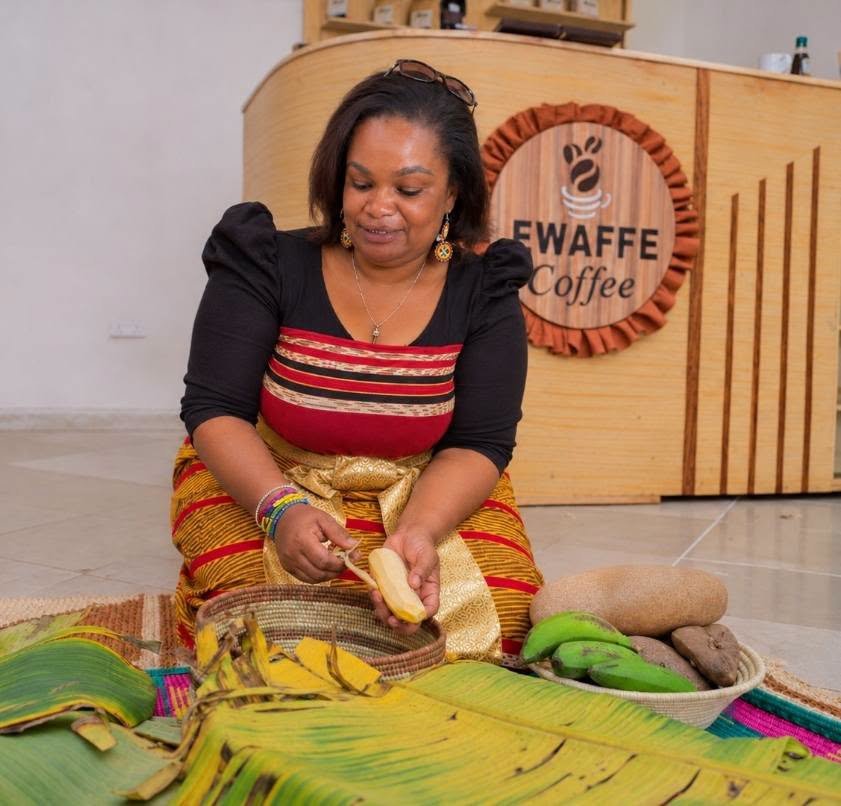
10 CULTURAL & FOOD EXPERIENCES YOU MUST PUT ON YOUR UGANDA ITINERARY
Discover 10 unique things to do in Uganda. Cultural and Gastronomical expereinecs not to miss. Join a Tooro naming ceremony, taste banana beer in Bigodi, cook…
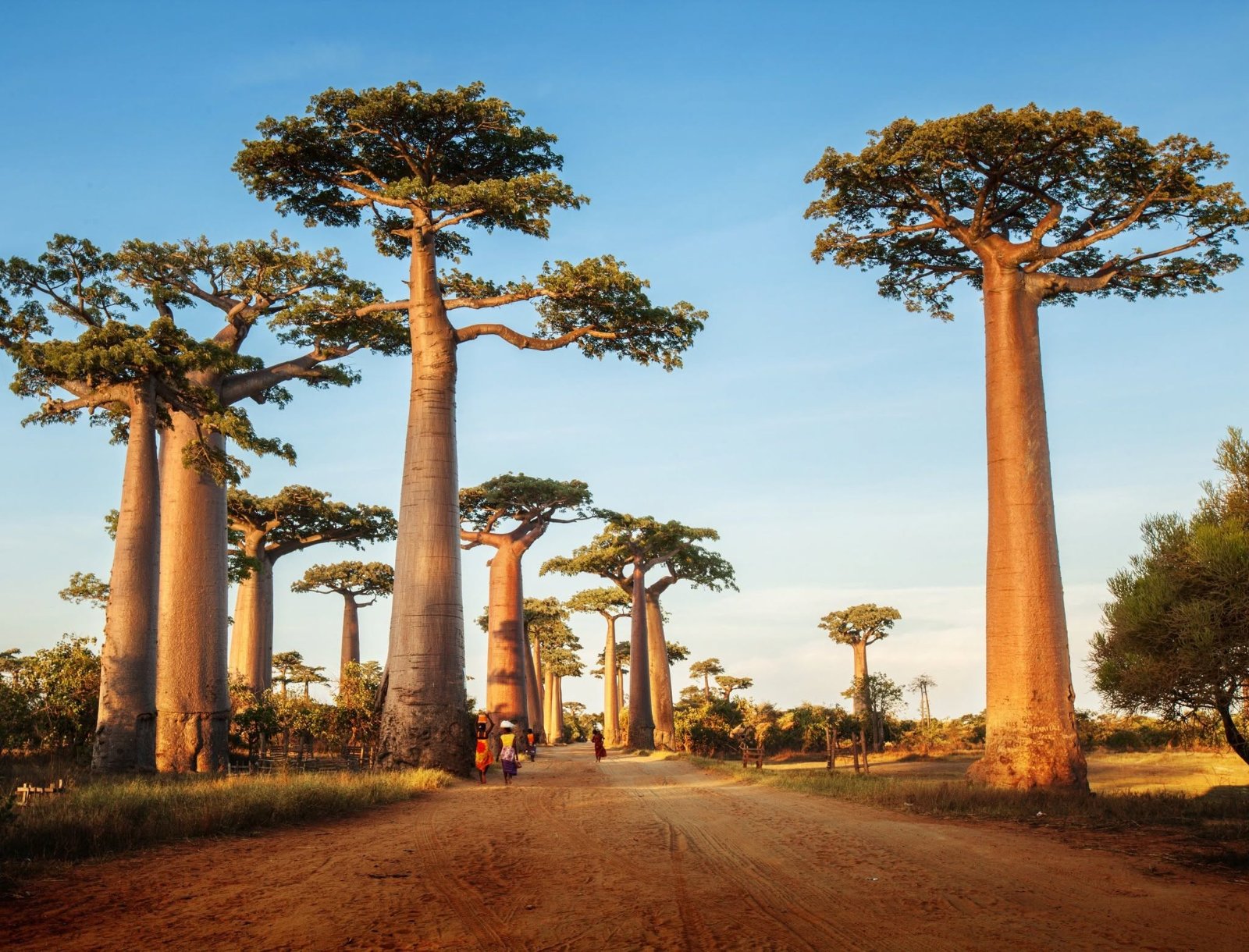
Best Things to Do in Madagascar – Top Attractions, Wildlife Safaris and Travel Guide
Discover the best things to do in Madagascar, from lemur safaris and baobabs to Nosy Be beaches. Plan your Madagascar holiday with Luxit Africa.